
NYPD Seize 1,000 Pounds of Pot in Bayside Takedown of Illegal Dispensary
Authorities recently seized more than 1,000 pounds of marijuana during an enforcement operation targeting an alleged illegal dispensary in Bayside, according to CBS News New York. Reports indicate law enforcement officers executed a raid connected to an ongoing investigation involving suspected unlawful cannabis sales and related criminal activity afterward. Large-scale drug investigations frequently lead to serious criminal allegations involving possession, distribution, conspiracy, and other felony-related accusations carrying substantial legal consequences significantly. Additionally, individuals facing Bayside drug charges may encounter aggressive prosecution efforts, financial penalties, reputational harm, and the possibility of lengthy incarceration if convicted.
Drug-related arrests and investigations often move quickly while prosecutors and law enforcement agencies work aggressively to build criminal cases against accused individuals afterward. Many people charged during large-scale investigations feel overwhelmed and uncertain regarding their legal rights, potential defenses, and the long-term consequences connected to criminal allegations significantly. At Petrus Law, we understand how stressful these situations become while individuals and families attempt to protect their futures and reputations following serious criminal accusations. Our legal team aggressively defends clients facing drug-related investigations while challenging unlawful searches, questionable evidence, and prosecutorial overreach throughout every stage of the case. If you or someone you know faces Bayside drug charges, call us at (646) 733-4711 today to discuss your legal options.

Why a Criminal Defense Lawyer Makes a Difference When Facing Bayside Drug Charges
At Petrus Law, we help clients facing Bayside drug charges protect their rights while building strong defense strategies against serious criminal allegations afterward. Drug-related cases frequently involve complicated constitutional issues, aggressive police investigations, and prosecutors seeking severe penalties connected to alleged narcotics offenses significantly. Therefore, we carefully examine every aspect of the investigation while reviewing search warrants, arrest procedures, witness statements, and evidence collection methods connected to the case effectively. Our attorneys remain committed to protecting our clients from unfair treatment while pursuing every available opportunity to reduce charges, suppress evidence, or seek case dismissals whenever possible.
Additionally, prosecutors often rely heavily on seized evidence, electronic communications, surveillance records, and witness testimony while pursuing drug-related convictions afterward. We aggressively challenge questionable police conduct and unlawful searches while ensuring our clients receive the constitutional protections guaranteed under New York law significantly. Furthermore, we understand how criminal accusations involving alleged drug offenses can threaten employment opportunities, professional licenses, immigration status, and long-term personal stability afterward. Our legal team remains dedicated to protecting our clients’ futures while providing strategic legal guidance throughout every stage of the criminal defense process.
Why Constitutional Rights Matter During Bayside Drug Charges Investigations
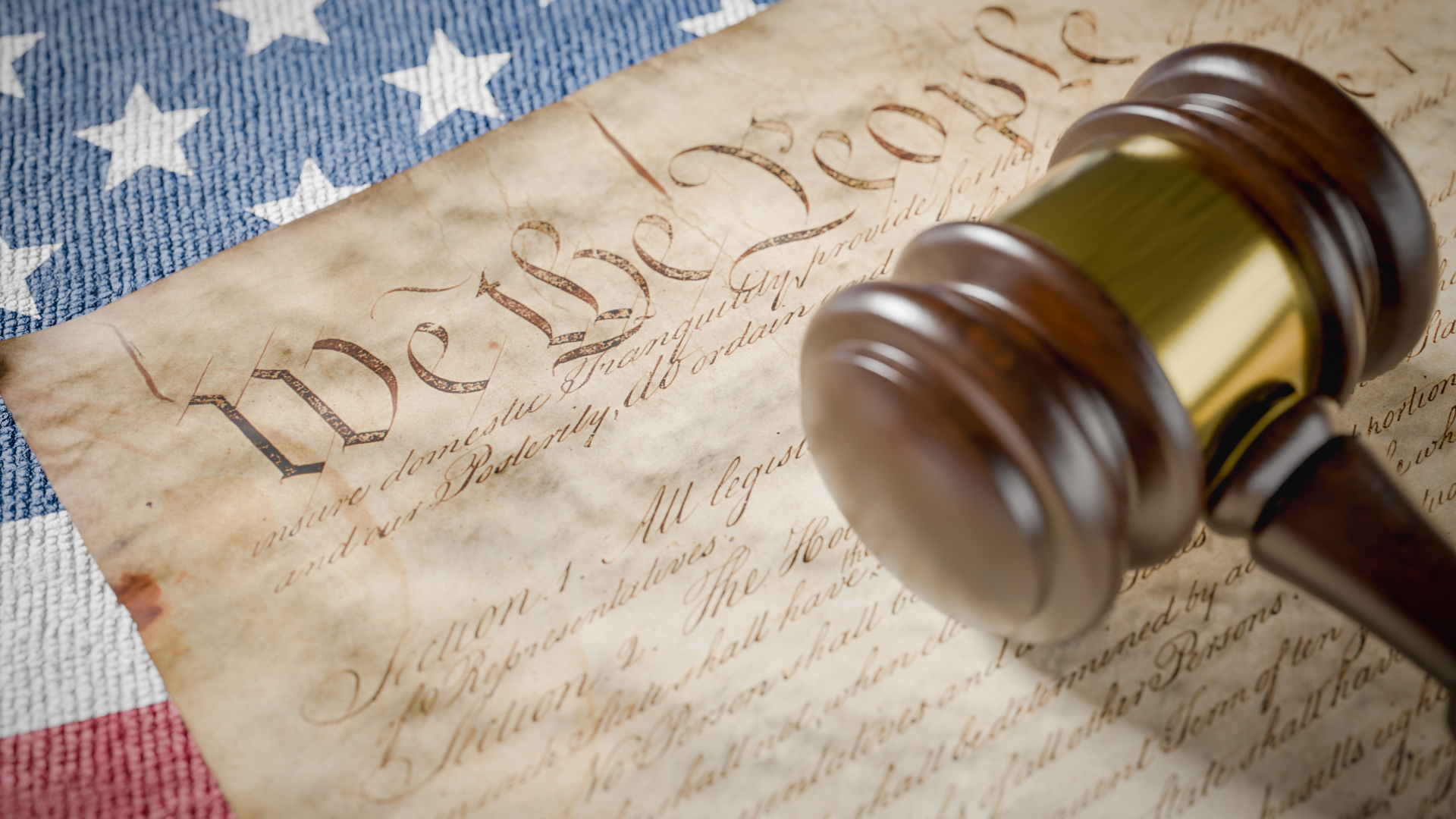
Constitutional protections often become one of the most important issues during investigations involving serious Bayside drug charges afterward. Law enforcement officers must follow strict legal procedures when conducting searches, detentions, interrogations, and evidence collection connected to alleged drug-related activity significantly. However, aggressive investigations sometimes lead to constitutional violations affecting the legality of arrests and the admissibility of evidence afterward. Criminal defense attorneys carefully review every stage of the investigation while identifying whether law enforcement respected the defendant’s constitutional rights throughout the process effectively. Strong constitutional challenges frequently become essential during complex drug-related criminal defense cases involving large-scale investigations and aggressive prosecution efforts.
The Fourth Amendment Protects Against Unlawful Searches
The Fourth Amendment protects individuals from unreasonable searches and seizures conducted without lawful justification afterward. Police officers generally must obtain valid warrants supported by probable cause before entering homes, businesses, or private property connected to Bayside drug charges significantly. Furthermore, improperly executed searches or unsupported warrants may violate constitutional protections guaranteed under both federal and New York law afterward. Defense attorneys examine whether officers followed proper legal procedures while gathering evidence during marijuana-related investigations effectively. Strong Fourth Amendment challenges often lead to suppression motions weakening the prosecution’s case considerably.
Search Warrants Must Meet Legal Requirements
Search warrants require detailed supporting evidence establishing probable cause before judges authorize law enforcement searches afterward. Attorneys frequently review whether investigators included inaccurate information, omitted important facts, or exceeded the scope of the warrant during enforcement operations significantly. Additionally, vague warrants sometimes fail to identify the proper location or specific evidence officers intended to seize afterward. Constitutional violations involving defective warrants may prevent prosecutors from using important evidence during criminal proceedings significantly. Careful warrant analysis frequently strengthens criminal defense strategies during Bayside drug charges cases.
Warrantless Searches May Violate Constitutional Protections
Police officers occasionally conduct warrantless searches involving vehicles, businesses, or personal property during drug investigations afterward. Attorneys investigate whether officers possessed lawful justification supporting these searches under recognized constitutional exceptions significantly. Furthermore, unlawful detentions or improper consent searches may violate constitutional protections against unreasonable government intrusion afterward. Evidence obtained illegally sometimes becomes inadmissible during criminal proceedings involving alleged narcotics offenses significantly. Strong constitutional litigation frequently helps defendants challenge questionable police conduct effectively.
Defendants Have the Right To Remain Silent
Individuals facing Bayside drug charges maintain important constitutional protections during police questioning and custodial interrogations afterward. The Fifth Amendment protects defendants from self-incrimination while preventing prosecutors from compelling incriminating statements during investigations significantly. Additionally, law enforcement officers must advise suspects of their Miranda rights before conducting custodial interrogations afterward. Defense attorneys carefully review whether police respected these protections throughout interviews and arrest procedures connected to drug-related allegations effectively. Protecting the right to remain silent often becomes critical during criminal investigations involving serious felony accusations.
Police Questioning Can Affect Criminal Cases
Law enforcement officers frequently attempt to gather incriminating statements during arrests, searches, and post-arrest questioning afterward. Defendants sometimes provide incomplete information or make damaging statements before understanding the seriousness of the allegations significantly. Furthermore, stressful investigations often create confusion causing individuals to answer questions without legal guidance or preparation afterward. Prosecutors may later rely heavily on these statements during plea negotiations and courtroom proceedings significantly. Defense attorneys often advise individuals facing Bayside drug charges to avoid answering questions without legal representation present.
Miranda Violations May Affect Admissibility of Statements
Police officers generally must provide Miranda warnings before custodial interrogations involving suspected criminal activity afterward. Attorneys review whether law enforcement properly advised defendants of their rights before obtaining statements connected to Bayside drug charges significantly. Additionally, statements obtained without proper constitutional warnings may become inadmissible during criminal proceedings afterward. Courts carefully evaluate whether defendants understood their rights and voluntarily agreed to police questioning significantly. Successful Miranda challenges often weaken prosecution cases involving alleged drug-related conduct.
The Right To Legal Representation Protects Defendants
The Sixth Amendment guarantees individuals the right to legal representation during criminal prosecutions involving serious drug-related allegations afterward. Defense attorneys protect defendants throughout investigations while challenging evidence, reviewing procedures, and advising clients regarding legal strategy significantly. Furthermore, early legal representation often helps defendants avoid mistakes potentially harming their cases during police questioning or court proceedings afterward. Prosecutors and investigators frequently move quickly during Bayside drug charges cases while building aggressive criminal prosecutions significantly. Strong legal representation frequently becomes essential for protecting constitutional rights effectively.
Attorneys Help Prevent Investigative Overreach
Law enforcement agencies sometimes pursue aggressive investigative tactics during large-scale marijuana crackdowns and drug enforcement operations afterward. Attorneys monitor whether investigators exceed constitutional boundaries involving searches, detentions, surveillance, or evidence collection procedures significantly. Additionally, prosecutors may rely on questionable evidence or unsupported assumptions when pursuing serious criminal allegations afterward. Defense attorneys aggressively challenge these tactics while protecting clients from unfair treatment throughout the criminal process effectively. Thorough legal advocacy often helps prevent constitutional violations from going unchallenged.
Early Representation Often Strengthens Defense Strategies
Defendants frequently benefit from legal representation immediately after arrests or investigations involving Bayside drug charges afterward. Attorneys may begin preserving evidence, interviewing witnesses, and reviewing constitutional issues before prosecutors finalize formal criminal charges significantly. Furthermore, early legal involvement often improves plea negotiations and procedural outcomes during pretrial litigation afterward. Strong defense preparation frequently increases opportunities for reduced charges or case dismissals significantly. Prompt legal guidance often strengthens overall criminal defense strategies substantially.
Constitutional Violations May Lead To Suppressed Evidence
Evidence obtained through unconstitutional police conduct sometimes becomes inadmissible during criminal proceedings afterward. Defense attorneys file suppression motions challenging searches, interrogations, and investigative procedures violating constitutional protections significantly. Furthermore, courts may exclude physical evidence, statements, or electronic records gathered unlawfully during drug investigations afterward. Suppression rulings often weaken prosecution cases substantially when key evidence becomes unavailable during trial proceedings significantly. Constitutional litigation frequently becomes a central issue during serious Bayside drug charges prosecutions.
Suppression Motions Challenge Illegal Police Conduct
Attorneys frequently file detailed motions arguing that investigators violated constitutional protections during searches, arrests, or interrogations afterward. Judges review police conduct carefully while determining whether prosecutors may use challenged evidence during criminal proceedings significantly. Additionally, successful suppression rulings sometimes create opportunities for reduced charges or complete case dismissals afterward. Defense attorneys aggressively pursue suppression remedies whenever constitutional violations affect the integrity of criminal investigations significantly. Thorough motion practice often strengthens defense positions during drug-related prosecutions.
Excluding Evidence Can Weaken the Prosecution’s Case
Drug-related prosecutions often depend heavily on physical evidence, electronic records, and defendant statements gathered during investigations afterward. When courts suppress important evidence, prosecutors may struggle to prove criminal allegations beyond a reasonable doubt significantly. Furthermore, weakened evidence frequently pressures prosecutors into negotiating more favorable outcomes during criminal proceedings afterward. Constitutional challenges often influence plea discussions, litigation strategy, and overall case direction significantly. Strong suppression arguments frequently improve defense opportunities during Bayside drug charges cases.

How Prosecutors Build Cases Involving Bayside Drug Charges
Prosecutors handling Bayside drug charges often rely on extensive investigations, seized evidence, and coordinated law enforcement operations while pursuing criminal convictions afterward. Drug-related prosecutions frequently involve allegations concerning possession, distribution, conspiracy, or unlawful business activity connected to marijuana enforcement crackdowns significantly. Additionally, prosecutors often work closely with police investigators while gathering surveillance footage, witness testimony, and electronic communications supporting criminal allegations afterward. Understanding how prosecutors build these cases can help defendants recognize the importance of strong legal representation early during criminal proceedings significantly. Experienced criminal defense attorneys frequently challenge investigative weaknesses while protecting defendants from aggressive prosecution tactics throughout the legal process.
Prosecutors Often Rely Heavily on Seized Physical Evidence
Physical evidence frequently becomes the foundation of criminal prosecutions involving alleged marijuana possession or distribution afterward. Prosecutors may rely on seized cannabis products, packaging materials, scales, cash, or electronic devices while building Bayside drug charges cases significantly. Furthermore, law enforcement agencies often present photographs, laboratory testing results, and inventory records supporting allegations involving unlawful drug activity afterward. Prosecutors typically argue that physical evidence demonstrates intent to distribute or participate in illegal narcotics operations significantly. Defense attorneys carefully review how investigators obtained and handled this evidence throughout the criminal investigation process effectively.
Laboratory Testing and Drug Identification
Prosecutors frequently introduce laboratory analysis reports identifying substances seized during marijuana-related investigations afterward. Attorneys examine whether testing procedures followed proper scientific and legal standards while reviewing potential inconsistencies affecting reliability significantly. Additionally, chain-of-custody errors or improper evidence handling may create questions regarding the accuracy of laboratory findings afterward. Prosecutors often rely heavily on these reports during plea negotiations and courtroom proceedings involving Bayside drug charges significantly. Thorough forensic review frequently becomes essential during complex criminal defense litigation.
Packaging and Quantity Allegations
Law enforcement officers and prosecutors often argue that packaging materials or large quantities indicate intent to distribute controlled substances afterward. Prosecutors may present evidence involving scales, cash, containers, or transaction records while pursuing distribution-related criminal allegations significantly. Furthermore, quantity-based accusations frequently increase potential penalties and prosecutorial pressure during criminal proceedings afterward. Defense attorneys challenge assumptions regarding possession, ownership, and criminal intent connected to seized evidence effectively. Strong defense strategies often weaken prosecutorial arguments involving alleged distribution activity.
Electronic Communications Frequently Become Important Evidence
Modern drug investigations often involve extensive review of text messages, social media activity, financial records, and cellphone communications afterward. Prosecutors frequently use electronic evidence while attempting to establish criminal intent, conspiracy allegations, or connections between multiple individuals significantly. Additionally, investigators may seek search warrants allowing access to phones, computers, and online communications connected to Bayside drug charges afterward. Electronic evidence sometimes lacks context or contains ambiguous information subject to differing interpretations significantly. Defense attorneys carefully analyze digital records while challenging inaccurate prosecutorial conclusions effectively.
Text Messages and Social Media Activity
Prosecutors sometimes present text messages or social media content while alleging unlawful marijuana sales or coordinated drug-related activity afterward. Attorneys review whether these communications clearly establish criminal conduct or merely reflect speculative prosecutorial assumptions significantly. Furthermore, messages may contain slang, incomplete context, or vague references failing to prove criminal intent beyond a reasonable doubt afterward. Law enforcement agencies frequently interpret digital communications aggressively during drug-related investigations significantly. Thorough electronic evidence review often strengthens criminal defense strategies substantially.
Financial Records and Transaction Histories
Investigators occasionally examine bank records, electronic payments, and financial transactions while building drug-related criminal cases afterward. Prosecutors may argue that cash deposits, transfers, or spending patterns indicate unlawful marijuana distribution activity significantly. Additionally, financial evidence sometimes becomes central during conspiracy allegations or large-scale narcotics investigations afterward. Defense attorneys challenge unsupported assumptions while reviewing whether prosecutors can directly connect financial records to alleged criminal conduct effectively. Strong financial analysis frequently weakens speculative prosecution theories during Bayside drug charges cases.
Witness Testimony Often Supports Prosecution Strategies
Prosecutors frequently rely on witness testimony from law enforcement officers, confidential informants, or cooperating individuals during criminal prosecutions afterward. These witnesses may provide statements regarding alleged drug activity, observed conduct, or investigative operations connected to Bayside drug charges significantly. Furthermore, cooperating witnesses sometimes seek reduced penalties or favorable treatment in exchange for testimony supporting prosecution allegations afterward. Defense attorneys investigate witness credibility carefully while identifying motives, inconsistencies, or reliability concerns affecting testimony effectively. Strong witness challenges often become critical during marijuana-related criminal defense cases.
Confidential Informants and Cooperating Witnesses
Drug investigations often involve confidential informants providing information supporting search warrants or criminal allegations afterward. Prosecutors may present testimony from cooperating individuals claiming knowledge regarding alleged marijuana distribution activity significantly. Additionally, informants frequently receive legal benefits or financial incentives creating possible credibility concerns during criminal proceedings afterward. Defense attorneys aggressively challenge unreliable testimony while exposing inconsistencies and personal motivations affecting witness reliability effectively. Careful witness examination frequently weakens prosecution strategies involving informant testimony.
Law Enforcement Officer Testimony
Police officers frequently testify regarding surveillance operations, evidence collection, and investigative observations connected to Bayside drug charges afterward. Prosecutors often rely heavily on officer testimony while presenting narratives supporting criminal allegations significantly. Furthermore, defense attorneys review police reports carefully while identifying inconsistencies between testimony, documentation, and physical evidence afterward. Cross-examination frequently reveals investigative errors, exaggerated conclusions, or procedural violations affecting prosecution credibility significantly. Strong courtroom advocacy often challenges unsupported law enforcement assumptions effectively.
Prosecutors Frequently Pursue Conspiracy and Distribution Allegations
Large-scale marijuana investigations often involve allegations extending beyond simple possession charges afterward. Prosecutors may pursue conspiracy accusations, enterprise-related charges, or allegations involving coordinated unlawful sales activity significantly. Additionally, conspiracy cases frequently rely on circumstantial evidence, electronic communications, and alleged associations between multiple individuals afterward. These allegations may substantially increase criminal exposure and potential sentencing consequences connected to Bayside drug charges significantly. Defense attorneys challenge broad conspiracy theories aggressively while requiring prosecutors to prove every element of the alleged offense effectively.
Circumstantial Evidence Often Plays a Major Role
Prosecutors sometimes rely on indirect evidence while attempting to establish criminal intent or participation in alleged marijuana operations afterward. Attorneys challenge assumptions connecting defendants to alleged unlawful activity based solely on proximity, communication records, or speculative interpretations significantly. Furthermore, circumstantial evidence often requires careful analysis regarding whether prosecutors can establish guilt beyond a reasonable doubt afterward. Weak connections between defendants and alleged criminal conduct frequently become central issues during drug-related prosecutions significantly. Thorough defense preparation often exposes weaknesses within circumstantial prosecution theories.
Prosecutors May Seek Enhanced Penalties
Certain Bayside drug charges may involve allegations carrying enhanced sentencing exposure depending on quantity, prior convictions, or alleged organizational involvement afterward. Prosecutors sometimes pursue aggressive felony charges while leveraging severe penalties during plea negotiations significantly. Additionally, enhanced charges may create long-term consequences affecting employment opportunities, immigration status, and future personal stability afterward. Defense attorneys work aggressively to reduce criminal exposure while challenging unsupported aggravating allegations effectively. Strong legal representation frequently becomes essential during high-stakes marijuana-related prosecutions.

How Queens Drug Defense Attorneys Protect Defendants Facing Marijuana Crackdowns
Marijuana-related investigations and enforcement operations often create serious legal risks for individuals accused of unlawful possession, distribution, or business-related cannabis offenses afterward. Although New York legalized certain marijuana activity, law enforcement agencies still aggressively pursue allegations involving unlicensed sales, large-scale possession, and illegal distribution operations significantly. Therefore, defendants facing Bayside drug charges frequently require immediate legal representation protecting their constitutional rights and challenging aggressive prosecution strategies afterward. Drug-related cases often involve search warrants, electronic surveillance, confidential informants, and extensive police investigations creating complicated criminal defense issues significantly. Experienced Queens drug defense attorneys frequently help defendants protect their freedom, reputation, and future opportunities throughout the criminal process.
Reviewing the Legality of Searches and Seizures
One of the most important responsibilities for criminal defense attorneys involves reviewing whether law enforcement officers followed constitutional procedures during investigations and arrests afterward. Drug-related investigations frequently involve raids, search warrants, vehicle searches, and property seizures requiring strict compliance with constitutional protections significantly. Additionally, unlawful police conduct may result in evidence suppression or weakened prosecution cases depending on the circumstances surrounding the investigation afterward. Attorneys carefully examine every stage of the investigation while identifying possible violations affecting the defendant’s legal rights effectively. Strong constitutional challenges often become essential during marijuana-related criminal defense cases.
Challenging Improper Search Warrants
Law enforcement officers generally must obtain valid search warrants supported by probable cause before entering homes, businesses, or private property afterward. Attorneys frequently review warrant applications carefully while identifying false statements, incomplete information, or procedural violations connected to the investigation significantly. Furthermore, improperly executed warrants may violate constitutional protections against unreasonable searches and seizures under both federal and New York law afterward. Prosecutors often rely heavily on evidence seized during these operations while pursuing serious drug-related charges significantly. Successful challenges to search warrants may weaken or substantially limit the prosecution’s case.
Investigating Unlawful Vehicle and Property Searches
Police officers sometimes conduct vehicle stops and property searches exceeding lawful authority during marijuana-related investigations afterward. Attorneys investigate whether officers had legal justification for traffic stops, detentions, or warrantless searches connected to Bayside drug charges significantly. Additionally, evidence obtained through unconstitutional searches may become inadmissible during criminal proceedings depending on the circumstances afterward. Illegal searches frequently create opportunities for defense attorneys to file suppression motions challenging critical prosecution evidence significantly. Thorough constitutional review often strengthens criminal defense strategies considerably.
Examining the Strength of the Prosecution’s Evidence
Drug-related prosecutions often depend heavily on physical evidence, electronic records, surveillance footage, and witness testimony gathered during law enforcement investigations afterward. Defense attorneys carefully analyze whether prosecutors possess reliable evidence directly connecting defendants to alleged marijuana-related criminal activity significantly. Furthermore, criminal cases sometimes rely on circumstantial evidence or assumptions regarding ownership, possession, or control of seized materials afterward. Attorneys challenge weak evidence aggressively while identifying inconsistencies, missing records, and investigative errors affecting the prosecution’s claims effectively. Thorough evidence review frequently improves opportunities for reduced charges or case dismissals.
Reviewing Surveillance and Electronic Communications
Law enforcement agencies frequently rely on surveillance footage, text messages, social media records, and cellphone data during marijuana-related investigations afterward. Attorneys examine whether electronic evidence was lawfully obtained while challenging inaccurate interpretations or unreliable digital records connected to the prosecution’s allegations significantly. Additionally, electronic communications may lack sufficient context or fail to establish criminal intent under New York law afterward. Prosecutors often attempt to use digital evidence aggressively while building conspiracy or distribution-related criminal cases significantly. Careful review of electronic records frequently becomes essential during complex drug defense litigation.
Challenging Witness Credibility and Informant Testimony
Drug investigations sometimes rely heavily on confidential informants, cooperating witnesses, or individuals seeking reduced criminal penalties afterward. Attorneys investigate witness credibility carefully while identifying inconsistent statements, personal motives, or unreliable testimony connected to the prosecution’s allegations significantly. Furthermore, informants may provide inaccurate information while cooperating with law enforcement for personal legal advantages afterward. Defense attorneys aggressively cross-examine questionable witnesses while exposing weaknesses affecting the reliability of prosecution testimony effectively. Strong witness challenges frequently improve defense strategies during marijuana-related criminal cases.
Protecting Defendants During Criminal Proceedings
Individuals facing Bayside drug charges often encounter aggressive prosecution efforts and complicated court procedures throughout criminal proceedings afterward. Defense attorneys help clients understand their rights while guiding them through arraignments, bail hearings, evidence challenges, and negotiation discussions significantly. Additionally, criminal convictions may create long-term consequences involving employment opportunities, immigration status, professional licenses, and personal reputation afterward. Attorneys remain focused on minimizing these consequences while pursuing favorable legal outcomes whenever possible effectively. Strong legal advocacy frequently helps defendants make informed decisions throughout every stage of the criminal process.
Representing Clients During Bail and Pretrial Hearings
Judges often consider bail conditions and release terms shortly after arrests involving serious drug-related allegations afterward. Attorneys advocate aggressively for reasonable release conditions while presenting evidence supporting the defendant’s ties to the community and lack of flight risk significantly. Furthermore, pretrial hearings may involve important legal motions affecting admissibility of evidence and overall case strategy afterward. Effective courtroom advocacy often influences how criminal cases proceed during later stages of prosecution significantly. Strong pretrial representation frequently helps protect defendants from unnecessary detention and procedural disadvantages.
Negotiating Reduced Charges or Alternative Outcomes
Some marijuana-related criminal cases may qualify for reduced charges, diversion programs, or negotiated resolutions depending on the evidence and surrounding circumstances afterward. Attorneys negotiate strategically with prosecutors while seeking outcomes minimizing long-term consequences connected to Bayside drug charges significantly. Additionally, alternative resolutions may help defendants avoid incarceration or permanent criminal records under certain circumstances afterward. Prosecutors sometimes reconsider aggressive charges when defense attorneys identify weaknesses within the evidence or investigation significantly. Skilled negotiation often improves legal outcomes during complicated criminal defense matters.
Preparing Strong Courtroom Defense Strategies
When prosecutors pursue serious marijuana-related allegations aggressively, defense attorneys often prepare comprehensive courtroom strategies challenging every aspect of the criminal case afterward. Attorneys review evidence carefully while identifying constitutional violations, investigative weaknesses, and inconsistencies supporting the defense position significantly. Furthermore, courtroom preparation frequently involves expert witnesses, legal motions, and strategic cross-examination challenging prosecution evidence effectively afterward. Strong trial preparation often increases pressure on prosecutors during plea negotiations and pretrial discussions significantly. Experienced criminal defense representation frequently becomes essential during high-stakes marijuana-related prosecutions.
Filing Motions To Suppress Evidence
Defense attorneys frequently file suppression motions challenging evidence obtained through unlawful searches, improper interrogations, or constitutional violations afterward. Successful suppression rulings may prevent prosecutors from introducing key evidence during criminal proceedings significantly. Additionally, weakened evidence often creates opportunities for reduced charges, favorable negotiations, or complete case dismissals afterward. Courts carefully examine whether law enforcement officers respected constitutional protections throughout investigations and arrests significantly. Thorough motion practice frequently strengthens criminal defense strategies during marijuana-related prosecutions.
Preparing for Trial if Necessary
Some Bayside drug charges proceed toward trial when prosecutors refuse to offer fair resolutions or pursue aggressive felony allegations afterward. Attorneys prepare detailed courtroom defenses while challenging witness credibility, police conduct, and the reliability of prosecution evidence significantly. Furthermore, trial preparation often includes reviewing forensic evidence, interviewing witnesses, and developing persuasive legal arguments supporting the defendant’s position afterward. Strong courtroom advocacy frequently improves the likelihood of favorable jury verdicts or reduced criminal exposure significantly. Experienced trial representation often becomes critical during serious drug-related criminal cases.
Helping Defendants Protect Their Futures
Drug-related convictions can create lasting consequences extending far beyond fines or incarceration afterward. Defendants may face employment difficulties, housing challenges, educational barriers, and immigration complications connected to criminal records significantly. Therefore, Queens drug defense attorneys often focus on protecting both immediate legal rights and long-term personal stability throughout representation afterward. Strategic defense planning frequently helps minimize the impact criminal allegations may have on future opportunities significantly. Comprehensive legal guidance often becomes essential when defending against marijuana-related prosecutions.
Addressing Immigration and Professional Consequences
Certain drug-related convictions may create immigration risks, professional licensing issues, or employment barriers affecting defendants long after criminal proceedings conclude afterward. Attorneys often evaluate these collateral consequences carefully while developing defense strategies minimizing long-term personal and professional harm significantly. Furthermore, negotiated resolutions sometimes help reduce the impact criminal allegations may have on immigration status or occupational opportunities afterward. Defendants frequently benefit from legal guidance addressing both criminal exposure and future stability concerns simultaneously significantly. Careful defense planning often improves long-term outcomes during serious drug-related cases.
Providing Ongoing Legal Guidance and Support
Facing criminal prosecution often creates major emotional stress and uncertainty for defendants and their families afterward. Attorneys provide ongoing legal guidance while helping clients understand court procedures, defense strategies, and potential outcomes connected to Bayside drug charges significantly. Additionally, strong attorney-client communication often helps defendants make informed decisions throughout complicated criminal proceedings afterward. Comprehensive legal support frequently reduces anxiety while strengthening overall defense preparation significantly. Experienced representation often provides stability during difficult criminal investigations and prosecutions.

Contact an Experienced Queens Criminal Defense Lawyer for Drug Charges Today
Drug-related investigations and arrests often leave individuals uncertain regarding their legal rights, potential penalties, and the next steps necessary to protect themselves afterward. However, securing experienced criminal defense representation quickly can significantly improve your ability to challenge evidence and defend against serious allegations successfully. Petrus Law proudly represents clients throughout Queens while providing personalized legal defense tailored to the unique circumstances surrounding complex drug-related criminal cases. Our attorneys understand the pressure and uncertainty criminal investigations create for individuals and families facing aggressive prosecution efforts.
Taking immediate legal action after an arrest or investigation involving Bayside drug charges can help protect important constitutional rights and strengthen potential defense strategies afterward. Additionally, law enforcement officers and prosecutors frequently continue gathering evidence immediately following searches, seizures, and criminal filings connected to alleged narcotics activity significantly. We remain dedicated to protecting our clients while pursuing favorable outcomes through negotiation, motion practice, or aggressive courtroom advocacy when necessary. Call us at (646) 733-4711 or reach out online today to schedule a confidential consultation with our legal team.